Related: Best Stress Relief Toys for Adults in 2026: Everything You Need to Know
News
How to Stop Muscle Loss Starting in Your 30s — It Takes Less Work to Stop Than You’ve Been Told

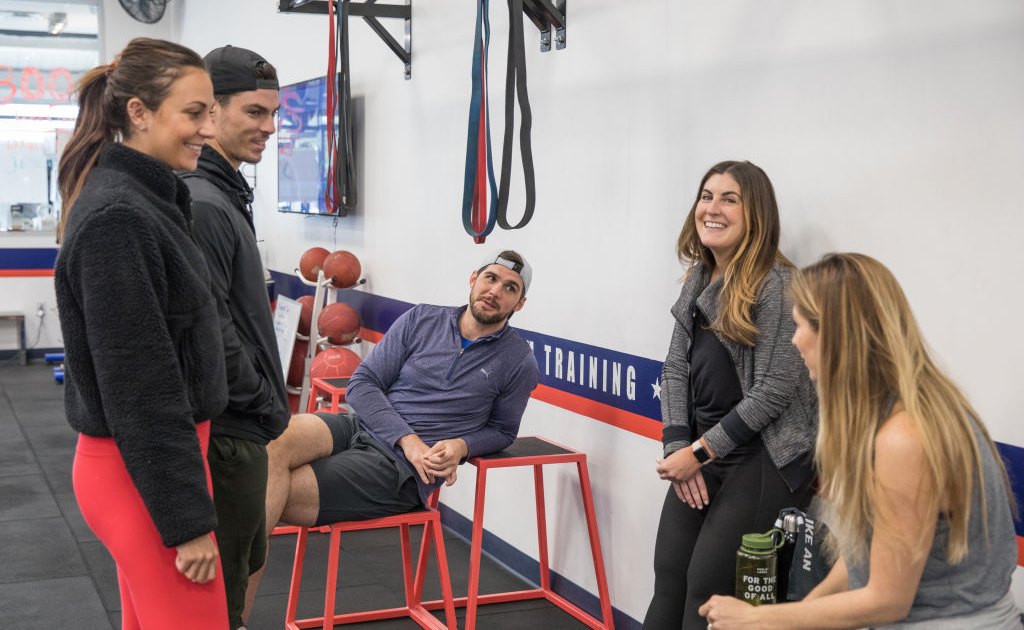
The window to protect your strength opens earlier than most people think and closes faster than the fitness industry lets on. Muscle loss starts in your 30s, not your 60s, and it quietly raises your risk of stroke, blood sugar problems and loss of independence later in life. The good news buried in the latest research: stopping it takes far less effort than you’ve been led to believe.
A new wave of studies, including the American College of Sports Medicine’s 2026 position paper, has rewritten the rulebook on what it actually takes to keep muscle as you age. The minimum effective dose is small, the tools are accessible and you don’t need a gym membership to use them. One of the most evidence-backed supplements for supporting that effort is creatine, and here’s what the research shows about how it works.
When Age-Related Muscle Loss Actually Starts
Muscle mass begins declining around age 30, dropping roughly 3-8% per decade and accelerating to 5-10% per decade after 50, according to a 2023 study in BMC Women’s Health. Scientists at Stanford University found that aging accelerates in two distinct bursts, around age 44 and again at 60, making your 30s and 40s a critical intervention window rather than a grace period.
This isn’t an aesthetic concern. Sarcopenia, the clinical term for age-related muscle loss, is linked to higher stroke risk, worse blood sugar control and reduced ability to live independently. A 2025 bibliometric analysis in Frontiers in Nutrition covering 886 publications confirmed two interventions consistently work across 20 years of research: resistance exercise and dietary protein.
How Much Exercise It Actually Takes to Stop Muscle Loss
Here’s the headline finding most people miss. The ACSM’s 2026 position paper published in PMC reviewed 137 systematic reviews covering more than 30,000 participants and found that resistance training twice a week with two sets per exercise is enough to arrest muscle loss. Injury risk from resistance training is no higher than the risk from walking or running, per the same paper.
A January 2026 meta-analysis in Frontiers in Public Health of 12 randomized trials involving 518 older adults reinforced the point: resistance training significantly improved grip strength, gait speed, knee extension strength and functional performance. A 2024 RCT in Scientific Reports found that even minimal-dose resistance training built strength without negative cardiovascular effects.
What ‘Not Killing Yourself’ in the Gym Actually Looks Like
Two sessions a week. Twenty to 30 minutes each. That’s the floor.
Bodyweight squats count. Resistance bands count. Light dumbbells count. Chair-based exercises count. The variable that matters most is progressive overload, gradually making the movement slightly harder over time, whether by adding reps, slowing the tempo or stepping up resistance. You don’t need a barbell, a trainer or a six-day split.
What to Eat to Protect Muscle
Protein is the dietary lever that matters most, and most adults over 30 aren’t getting enough of it. A 2025 expert consensus on sarcopenia published in PMC recommends prioritizing high-quality protein from fish, eggs, lean meat and dairy. The general working target is 1.2 to 1.6 grams of protein per kilogram of body weight per day, meaningfully more than the standard recommended dietary allowance most people anchor to.
Cutting back on ultra-processed food matters too. A 2025 study in Frontiers in Sports and Active Living found higher ultra-processed food intake is significantly associated with accelerated muscle loss in middle-aged adults.
Supplements That Actually Help
The supplement aisle is mostly noise, but a few have real evidence for muscle preservation. Creatine is among the most consistently supported across age groups and genders, and a 2025 nutrition and sarcopenia review in PMC also points to vitamin D and omega-3 fatty acids as useful supporting tools. They work best alongside the protein and the two weekly workouts that do the heavy lifting, not instead of them.
Read the full article here








News26 minutes ago
Selena Gomez Glitters in Gold at BFF Taylor Swift’s Madison Square Garden Wedding to Travis Kelce

Music1 hour ago
Beatles song Paul McCartney performed at Taylor Swift, Travis Kelce’s wedding

News1 hour ago
Why Dave Chappelle Was ‘Shocked’ Travis Kelce Attended His Comedy Show for Bachelor Party

News2 hours ago
Serena Williams Withdrawals From Wimbledon Doubles With Sister Venus Williams: ‘Heartbroken’

News3 hours ago
These 13 Walmart Sandals Look Like They’re From Madewell — Starting at $9

Movies4 days ago
Ripped Elliot Page shows off insane abs after getting ‘hooked’ on boxing

Music5 days ago
Ariana Grande makes ‘unfortunate’ announcement regarding ‘Eternal Sunshine’ tour

Music6 days ago
Kanye West drops staggering six figures on masquerade-themed birthday party with wife Bianca Censori

Royals5 days ago
Princess Anne wears 42-year-old dress from 1984 to royal banquet

Royals6 days ago
Kate Middleton completes grueling 23-mile hiking challenge to raise money for cancer charity
-
 Movies4 days ago
Ripped Elliot Page shows off insane abs after getting ‘hooked’ on boxing
-
 Music5 days ago
Ariana Grande makes ‘unfortunate’ announcement regarding ‘Eternal Sunshine’ tour
-
 Music6 days ago
Kanye West drops staggering six figures on masquerade-themed birthday party with wife Bianca Censori
-
 Royals5 days ago
Princess Anne wears 42-year-old dress from 1984 to royal banquet
-
 Royals6 days ago
Kate Middleton completes grueling 23-mile hiking challenge to raise money for cancer charity
-

 Movies4 days ago
Pregnant Anne Hathaway wears red peplum jumpsuit as ‘Odyssey’ press tour kicks off
-

 Royals4 days ago
Royal insider lifts lid on palace’s ‘risk management’ protocol for King Charles, Prince Harry reunion
-

 Royals5 days ago
Meghan Markle’s Heidi Merrick slip dress was just restocked