Related: Can HRT Protect Your Heart After Menopause? New Research Explains
News
Want to Optimize How You Eat, Work and Sleep? Menstrual Cycle Syncing May Be Able to Help Next Month

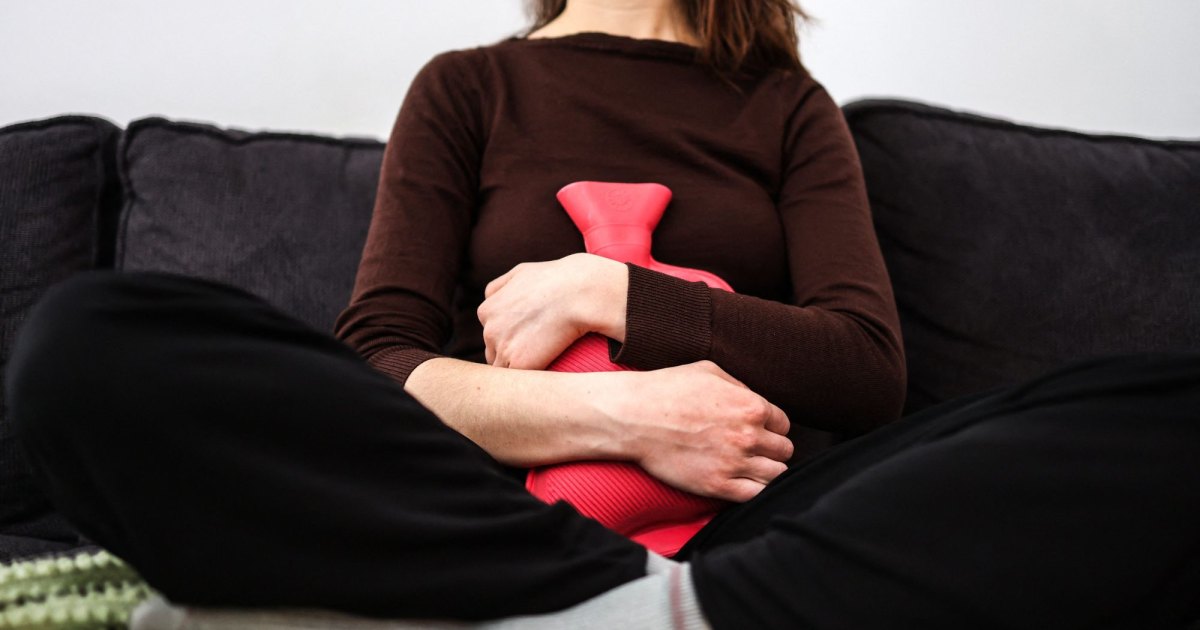
Cycle syncing has moved from wellness blogs to mainstream conversation, fueled by a femtech industry valued at $66.2 billion in 2025 and projected to reach $255.5 billion by 2035. The idea: align what you eat, how you work and how you rest with the four hormonal phases of your menstrual cycle. Some of the science is genuinely solid. Some of it is running well ahead of the research. Here’s what’s actually true.
What Cycle Syncing Is and Where It Started
The term comes from functional nutritionist Alisa Vitti, who coined it in her 2014 book WomanCode and expanded the concept in her 2020 follow-up In the FLO. The core premise is that women don’t operate on a flat 24-hour hormone rhythm the way men do.
Instead, a roughly 28-day cycle creates four distinct hormonal environments, and adjusting your habits to match those environments is the whole idea. Cycle tracking apps and social media have since turned it into one of the fastest-growing categories in women’s wellness.
What’s Happening in Each Cycle Phase
The menstrual phase, days one through five, is when estrogen and progesterone are at their lowest and energy tends to be too. The follicular phase, days six through 14, brings rising estrogen and returning energy. Ovulation around day 14 is when estrogen and testosterone peak together, bringing the highest energy and lowest appetite of the cycle. The luteal phase, days 15 through 28, is dominated by progesterone. Appetite climbs, energy drops and PMS symptoms can peak in the final days before the next period.
What the Research Says About Eating for Your Cycle
This is the pillar with the strongest backing. A 2024 meta-analysis in Nutrition Reviews found energy intake is significantly higher in the luteal phase than the follicular phase, driven by progesterone ramping up appetite while estrogen keeps it in check earlier in the cycle. Late-cycle cravings for carbs and comfort food are hormonal, not a character flaw.
General phase-specific guidance points to iron-rich foods during menstruation to replace what’s lost, lighter foods as estrogen rises in the follicular phase, anti-inflammatory eating around ovulation and magnesium plus B6 in the late luteal window for PMS support. The honest caveat is that large-scale trials testing specific food protocols per phase don’t exist yet. The hormonal logic is sound, but the the rigid meal rules aren’t proven.
Cycle Syncing and Productivity
This is where cycle syncing and the research part ways most sharply. A March 2025 meta-analysis in PLOS ONE reviewed 102 studies across 3,943 participants and found no robust evidence that objective cognitive performance changes meaningfully across phases. The popular idea that women are sharper in the follicular phase and foggy in the luteal phase isn’t well supported by objective data.
But the picture isn’t that simple either. An August 2025 study in Biology from the Medical University of Gdansk found women performed significantly better on memory and attention tasks just before ovulation. And a 2025 workplace survey coauthored by Stanford Lifestyle Medicine and Auckland University of Technology found 73 percent of respondents reported reduced output during menstruation regardless of what their actual performance showed. Subjective energy and perceived capacity are real even when objective cognition isn’t measurably different.
Sleep Changes According to Cycle
This is the pillar most women notice first. Sleep quality dips around menstruation as dropping estrogen and progesterone blunt the body’s melatonin and cortisol rhythms. In the luteal phase, rising core body temperature makes it harder to fall asleep since the body needs to cool down to initiate sleep.
A February 2025 study in npj Women’s Health from MSH Medical School Hamburg found that daily routines synchronized with circadian rhythms improved health outcomes across the menstrual cycle. A Parker University pilot study is currently tracking objective sleep data across phases using wearables, with results expected in 2026.
What the Science Supports Now
Hormonal shifts in appetite, energy and sleep are real and documented. The follicular phase advantage for hard workouts has some RCT support. Luteal fatigue and cravings are physiologically explained.
What isn’t proven yet: specific food rules per phase, rigid work scheduling and most app-driven recommendations. It also doesn’t apply the same way for women on hormonal birth control or those in perimenopause, when cycles become unpredictable. The most defensible version of cycle syncing is the simplest one: track your patterns, notice what changes and adjust where it actually helps.
Read the full article here









News32 minutes ago
Stassi Schroeder Calls Out ‘Vanderpump Rules’ for ‘Covering’ for Men, Making Women Look ‘Psychotic’

News2 hours ago
Mormon Wives’ Jessi Draper Claims Scheana Shay Tried to Join the Show After ‘Vanderpump Rules’ Changes

News3 hours ago
Mackenzie Shirilla’s Legal Team Files Federal Challenge to Murder Conviction, Demands New Trial

Music3 hours ago
Megan Moroney cuts Denver concert after three songs as she fights back tears

News4 hours ago
White House Denies Claim President Donald Trump Fell Asleep During Sen. Lindsey Graham’s Funeral

News6 days ago
George Kittle Shares New Details About ‘Fantastic’ and ‘Fun’ Taylor Swift and Travis Kelce Wedding

Music7 days ago
‘Don’t Mess With My Man’ singer Nivea reveals cancer diagnosis at 44

News6 days ago
Your Grip Strength Could Reveal More About Your Longevity Than You Might Expect, Studies Say

News6 days ago
Five-Star Weekend’s Harlow Jane Hints How Book Changes Will Affect Potential Season 2 (Exclusive)

Music7 days ago
Tommy Lee describes injecting Jack Daniels into his veins in harrowing confession
-
 News6 days ago
George Kittle Shares New Details About ‘Fantastic’ and ‘Fun’ Taylor Swift and Travis Kelce Wedding
-
 Music7 days ago
‘Don’t Mess With My Man’ singer Nivea reveals cancer diagnosis at 44
-
 News6 days ago
Your Grip Strength Could Reveal More About Your Longevity Than You Might Expect, Studies Say
-
 News6 days ago
Five-Star Weekend’s Harlow Jane Hints How Book Changes Will Affect Potential Season 2 (Exclusive)
-
 Music7 days ago
Tommy Lee describes injecting Jack Daniels into his veins in harrowing confession
-

 Movies7 days ago
Whoopi Goldberg slams transphobic criticism of Elliot Page’s ‘The Odyssey’ casting
-

 Music5 days ago
Kacey Musgraves cancels 3 tour dates — including opening night
-

 News6 days ago
Amy Winehouse’s Mom Remembers Late Singer on 15th Death Anniversary: ‘A Victim of Her Own Success’